
If you’ve searched for Kakkabe coorg on a map, chances are you’ve zoomed in more than once just to make sure you had the right place. It’s small — barely a town, really more of a junction with a few shops, a bus stop, and roads that disappear into coffee estates in every direction. And that’s exactly why it deserves its own guide.
Most people who visit Coorg never make it here. They stay in Madikeri, tick off the usual list of viewpoints, and head home. Kakkabe is 35-odd kilometres south of Madikeri town, tucked against the base of Tadiandamol — the highest peak in Coorg — and it’s where the district stops being a postcard and starts being a place people actually live in.
This guide covers everything you need to plan a trip here: how to reach Kakkabe, what there is to do, when to go, and where to stay.
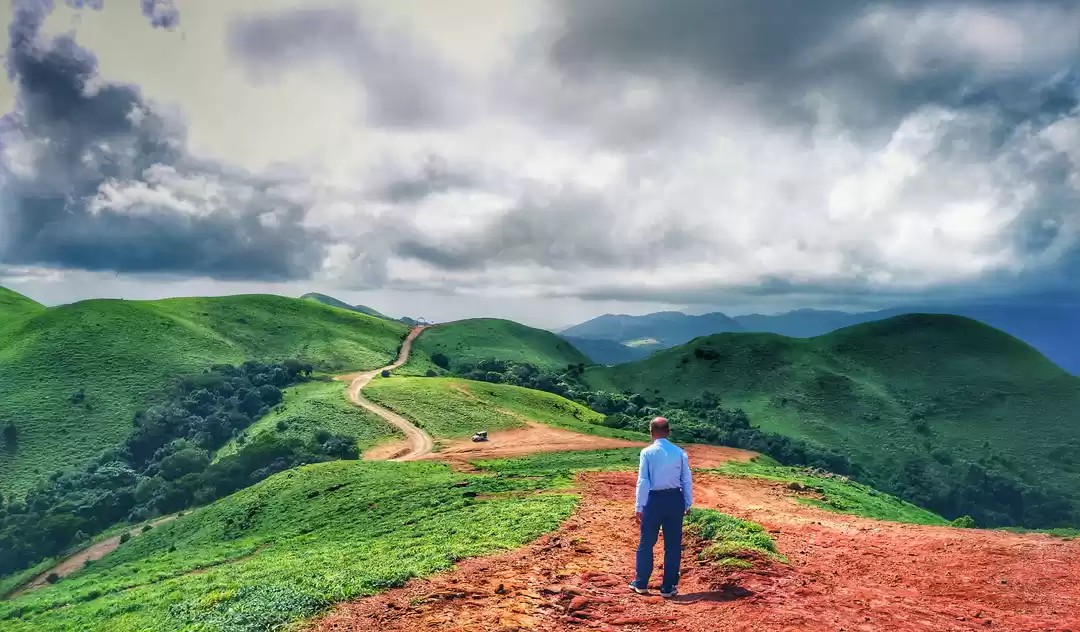
Where Exactly Is Kakkabe?
Kakkabe sits in the south-eastern part of Kodagu district, roughly 35 km from Madikeri and around 25 km from Virajpet. It’s a small village at an elevation that keeps it noticeably cooler and mistier than the plains, surrounded by coffee and cardamom plantations that climb straight up into the hills.
What makes the location interesting isn’t the village itself — it’s what surrounds it. Kakkabe is the gateway to Tadiandamol, sits close to the historic Nalknad Palace, and is a short drive from Igguthappa Temple, one of the most important Kodava temples in the region. In other words, it’s less a “stop” on a Coorg itinerary and more a base camp for the things that make Coorg worth visiting in the first place.
How to Reach Kakkabe
By road from Bangalore: Kakkabe is about 250–270 km from Bangalore, roughly a 5–6 hour drive depending on traffic and your route. The most common way in is via Mysuru, Kushalnagar, and Madikeri, before turning off towards Kakkabe. A second route goes via Hunsur, Gonikoppa, and Virajpet — slightly longer but with its own scenic stretches through estate country.
By bus: Regular KSRTC and private buses connect Bangalore to Madikeri and Virajpet, from where local buses run to Kakkabe. Local buses here don’t run late, so if you’re relying on public transport, plan your final leg for daylight hours.
Nearest railway station: Mysuru is the closest major rail head, around 3 hours away by road, followed by a drive through Kushalnagar and Madikeri.
Nearest airport: Mangalore International Airport and Kempegowda International Airport (Bangalore) are the two realistic options, with Bangalore offering far more flight connectivity despite the longer drive.
Whichever route you take, the last stretch into Kakkabe is where the drive actually gets interesting — narrow estate roads, sudden mist, and the kind of green you don’t get used to no matter how many times you’ve been to Coorg.
Things to Do in Kakkabe
Trek Tadiandamol
This is the reason most trekkers know Kakkabe’s name at all. At roughly 1,748 metres, Tadiandamol is the highest peak in Coorg district — a full-day trek that takes you from coffee estate trails into open grasslands and finally a ridge walk with sweeping views over the Western Ghats.
The trek typically starts near Nalknad Palace, about 7–8 km from Kakkabe town, and covers roughly 5 km one way to the summit. Most trekkers budget 6–8 hours for the round trip. There’s no trekking permit required, though a small forest entry fee applies, and the checkpost usually stops trekkers heading up after early-to-mid afternoon — this isn’t a trek you want to start late in the day.
The best window for this climb is October to February and again in early summer before the monsoon sets in, when trails are dry and visibility at the summit is at its best. Come monsoon, the same trail turns lush and dramatic, but also slippery and leech-prone — beautiful, but only for those who know what they’re getting into.
Visit Nalknad Palace
At the base of the Tadiandamol trail sits Nalknad Palace, once used by the Kodava rulers of Coorg as a residence, and one of the few surviving structures from that era. It’s not a grand, restored monument — it’s quiet, a little weathered, and genuinely historic, which is part of the appeal. Most people visit it either on their way up to Tadiandamol or as a short, standalone stop if they’re not trekking. Fifteen to twenty minutes is enough to take it in, but it’s worth pairing with a walk around the grounds.
Pay Your Respects at Igguthappa Temple
A short drive from Kakkabe, Igguthappa Temple is one of the most revered temples for the Kodava community, dedicated to a local deity associated with prosperity and rainfall. Even if you’re not visiting for religious reasons, it’s worth the detour — the temple architecture, the surrounding greenery, and the general stillness of the place make it a good counterpoint to a day spent trekking.
Walk Through a Working Plantation
This is where Kakkabe quietly outperforms the more touristy parts of Coorg. Because the village is surrounded by working coffee and cardamom estates rather than resort clusters, it’s much easier here to actually walk through a plantation, see how coffee is grown and processed, and talk to people who’ve been doing this for generations — rather than a curated fifteen-minute “plantation tour” bolted onto a resort stay.
Slow Down
Kakkabe doesn’t really reward a checklist approach. Some of the best things to do here involve doing very little — sitting out with a filter coffee as the mist rolls in over the hills in the evening, taking an unplanned walk down an estate road, or just being somewhere that isn’t trying to sell you anything. If Madikeri is Coorg’s town centre, Kakkabe is its quiet room.
Best Time to Visit Kakkabe
October to February is the most comfortable window — clear skies, cool mornings, and the best visibility for the Tadiandamol trek. This is peak season for a reason.
March to May brings warmer days but still-pleasant evenings, and is a decent secondary window for trekking before the heat builds up and before the rains arrive.
June to September (monsoon) transforms Kakkabe completely. The hills turn a deeper green, waterfalls swell, and the mist becomes near-constant — but trekking gets genuinely difficult and occasionally unsafe on the exposed ridge sections. This season is better suited to travellers who want to experience Coorg’s wetter, wilder side from the comfort of a stay, rather than attempt the peak.
Because Kakkabe isn’t overrun with resort chains, accommodation here tends to be smaller and more personal — plantation stays, boutique cottages, and homestays rather than large hotel properties. This is generally a good thing: you’re closer to the estates, closer to the trailhead, and staying with people who actually know the trails, the weather patterns, and the temple festival calendar.
If you’re planning to trek Tadiandamol, staying in or near Kakkabe rather than Madikeri saves you a significant early-morning drive and lets you start the climb before the heat sets in.
A Suggested One-Day Kakkabe Itinerary
- Early morning: Start the Tadiandamol trek from near Nalknad Palace, before the sun is fully up.
- Midday: Reach the summit, take in the views, begin the descent before the forest checkpost cut-off.
- Afternoon: Stop at Nalknad Palace on the way down if you skipped it earlier.
- Evening: Visit Igguthappa Temple, then head back to your stay for the night as the mist rolls in.
If you have a second day, use it to slow down — a plantation walk, a lazy breakfast, and no fixed plan at all.
Frequently Asked Questions
How far is Kakkabe from Madikeri? Kakkabe is approximately 35 km from Madikeri, roughly an hour’s drive depending on road conditions.
Is Kakkabe worth visiting if I’m not trekking? Yes. Between Nalknad Palace, Igguthappa Temple, and the plantation walks, there’s enough here for a relaxed day even without attempting the peak.
Do I need a permit for the Tadiandamol trek? No formal permit is required, but a small forest entry fee applies, and the trail closes to new trekkers by early-to-mid afternoon.
What is the best time to trek Tadiandamol? October to February offers the clearest views, though many trekkers also go in early summer before the monsoon. Monsoon trekking is possible but far more demanding.
Is Kakkabe coorg accessible by public transport? Yes, though sparsely. Local buses connect Kakkabe coorg to Madikeri and Virajpet, but services thin out later in the day, so it’s worth planning your travel for daylight hours or arranging a private vehicle.